Nate Zettna

Lecturer
The University of Sydney Business School
Nate is a Lecturer in Human Resource Management in the Discipline of Work and Organisational Studies. He completed his PhD specialising in organisational behaviour and management at the University of Sydney Business School. His research examines various aspects of team effectiveness, including team leadership, frontline service teams, and team well-being and performance. Nate has conducted research and worked with international organisations in many sectors including banking, financial services, government, healthcare, manufacturing, and education. He was also a recipient of the Business School Research Scholarship and winner of the John C Harsanyi Graduate Medal (USyd Alumni Awards).

From this author

Inclusive and workplace acceptance of refugees
Partnering for refugee employment

When considering their talent pipelines, few companies think outside-of-the-box. Most refugees flourish in the workplace, and so do the businesses that hire them.


SDG 16
Institutional investors demand a more sustainable capitalism

Honey gathering is a solitary job in Indigenous communities. The collector then shares the honey with their community but refrains from joining in the honey feast themself. The idea is that the gathering is not about their gratification, it’s about their contribution to the collective.  

SDG15 Bushfires
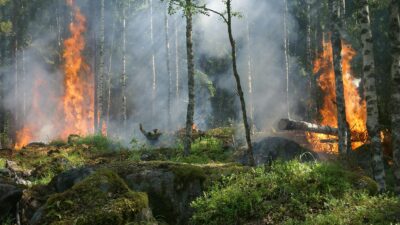
Optimisation model as a guide to burning forests to save forests

Setting fire to parts of a forest to save it might seem counterintuitive to urban communities. There is no equivalent of torching a few streets to protect a suburb. However, amongst First Nations people in Australia, hazard reduction burning is a well-established practice.

SDG13 - coal mining
Net zero now – it’s the economy AND the planet

In Australia, as elsewhere, the climate wars have focused on the climate versus jobs dichotomy. Yet while Australia remains highly dependent on fossil fuel extraction for its national economic prosperity it has also become increasingly unequal in its distribution of that wealth.