Dreu Harrison

Dreu Harrison

Research Assistant
The University of Sydney
Dreu has spent over 10 years studying how to resolve social dilemmas and complex problems using skills and tools drawn from the new rhetoric and design. He has a PhD from the University of Sydney, focusing on how to resolve wicked problems using the tools of conversation and co-design. Dreu enjoys working on inter-disciplinary projects, with his research to date focusing on how best to relate the humanities and design to business. Dreu also works as the Director for Strategic Innovation at Pivot, part of the Frost*collective. In this role he shapes strategy with senior leadership teams and engages in design research, invention, and prototyping of meaningful products and experiences. He has previously worked with a range of clients including UBS, Bank of America, CBA, Telstra, Family and Community Services NSW, and Te Papa Museum.

From this author

Inclusive and workplace acceptance of refugees
Partnering for refugee employment

When considering their talent pipelines, few companies think outside-of-the-box. Most refugees flourish in the workplace, and so do the businesses that hire them.


SDG 16
Institutional investors demand a more sustainable capitalism

Honey gathering is a solitary job in Indigenous communities. The collector then shares the honey with their community but refrains from joining in the honey feast themself. The idea is that the gathering is not about their gratification, it’s about their contribution to the collective.  

SDG15 Bushfires
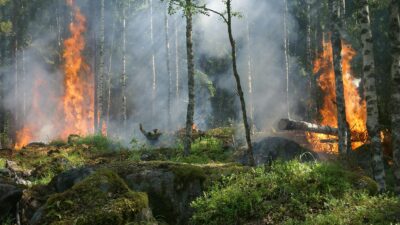
Optimisation model as a guide to burning forests to save forests

Setting fire to parts of a forest to save it might seem counterintuitive to urban communities. There is no equivalent of torching a few streets to protect a suburb. However, amongst First Nations people in Australia, hazard reduction burning is a well-established practice.

SDG13 - coal mining
Net zero now – it’s the economy AND the planet

In Australia, as elsewhere, the climate wars have focused on the climate versus jobs dichotomy. Yet while Australia remains highly dependent on fossil fuel extraction for its national economic prosperity it has also become increasingly unequal in its distribution of that wealth.